Preserving. Proclaiming. Transmitting
The Anglican Catholic Heritage
“Thy testimonies have I claimed as mine heritage for ever:
for they are the very joy of my heart.”
— Psalm 119:111
Explore Anglican churches across cities and centuries — historic places of worship that reflect faith, architectural beauty and the enduring heritage of the Anglican tradition. From st. mary’s church, fort st. george, madras and St. Paul’s Cathedral in London, each sacred place carries a unique story of worship, history and service.
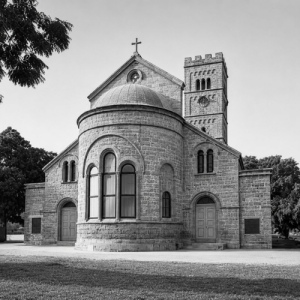
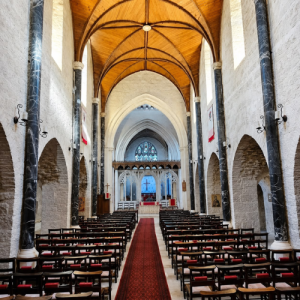
Consecrated in 1680, St. Mary’s Church at Fort St. George is the oldest surviving Anglican church in India and is often regarded as the first Anglican church built in the country. This historic sanctuary stands as a remarkable symbol of faith, heritage and colonial-era architecture.
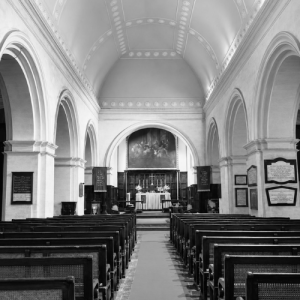
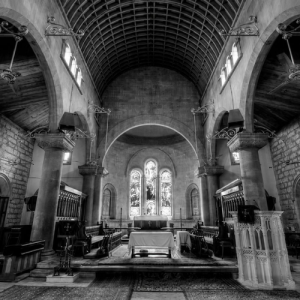
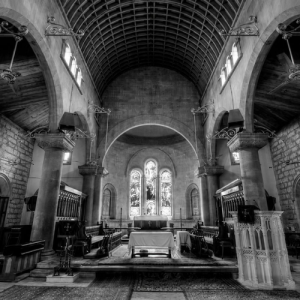
Built within the walls of Fort St. George, the church has witnessed centuries of history, including the growth of Madras as an important centre of trade and administration. Its strong vaulted roof, designed to withstand the tropical climate and military threats of the era, remains a unique architectural feature.
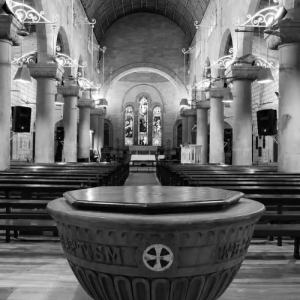
St. Mary’s Church continues to hold deep personal and spiritual significance, having been the place of baptism for generations and preserving a legacy of worship, tradition and service for over three centuries.


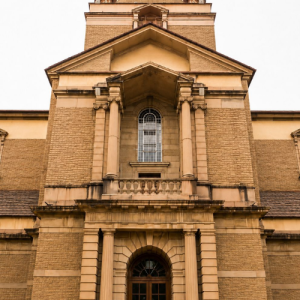
Consecrated in 1839, Holy Trinity Church is one of Karachi’s oldest Anglican churches and a significant landmark of the city’s colonial-era Christian heritage. Built during the British period, the church stands as a testimony to the faith, dedication and architectural traditions of the Anglican community.
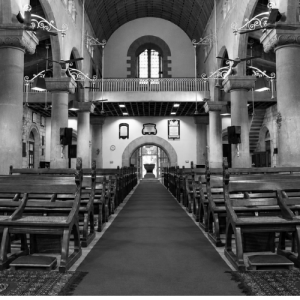
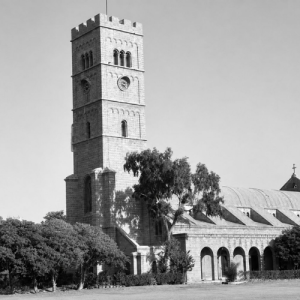
Located in the heart of Karachi, the church has witnessed the transformation of the city over nearly two centuries. Its distinctive Gothic-inspired design, historic bell tower and enduring presence reflect the rich religious and cultural history of the region.
Holy Trinity Church continues to serve as a place of worship and remembrance, preserving a legacy of faith and community. It also holds a deeply personal significance, as the place where my Confirmation took place in 1964.


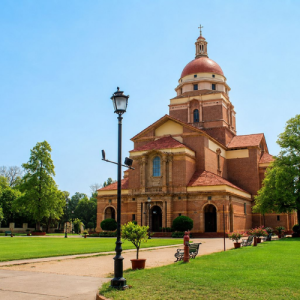
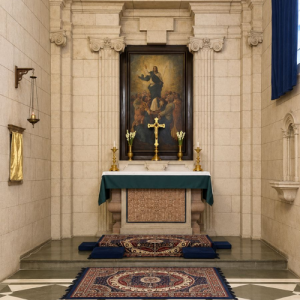
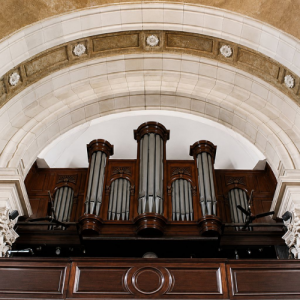
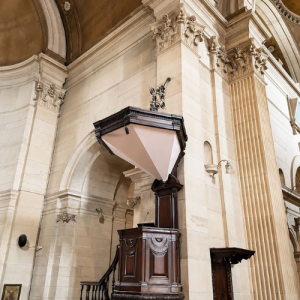
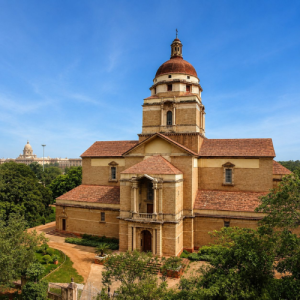
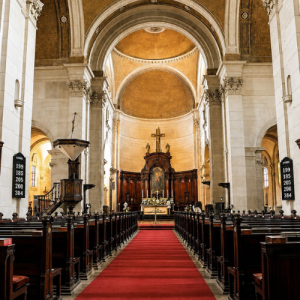
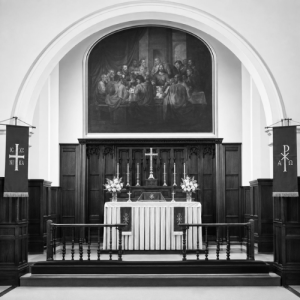
Consecrated in 1931, the Church of the Redemption is one of New Delhi’s most distinguished Anglican churches, admired for its graceful architecture and its significant place in the city’s Christian heritage. Designed with simplicity and elegance, the church reflects a beautiful blend of spiritual devotion and architectural excellence.
Located near the historic heart of New Delhi, the church has served as a place of worship, reflection and community for generations. Its serene atmosphere and enduring traditions continue to make it an important landmark of Anglican faith in India.
The Church of the Redemption holds a deeply personal and spiritual significance, as it became the foundation of my journey and connection with the Anglican Catholic Faith since 1954/55, shaping a lifelong path of devotion and service.


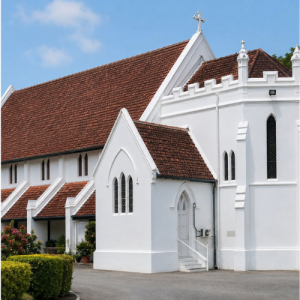
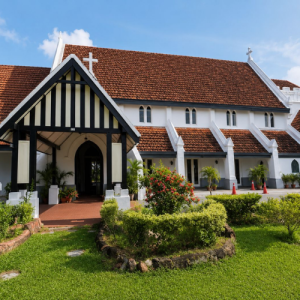
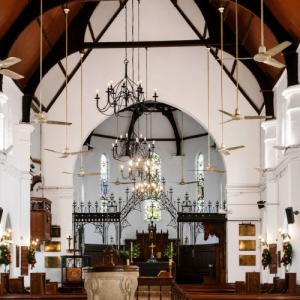
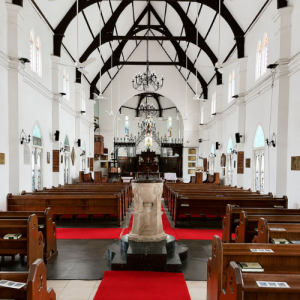
Consecrated in 1895, St. Mary’s Cathedral is one of Malaysia’s oldest Anglican churches and a historic centre of Anglican worship in Kuala Lumpur. Built during the early development of the city, the cathedral reflects the enduring presence and influence of the Anglican tradition in Malaysia.
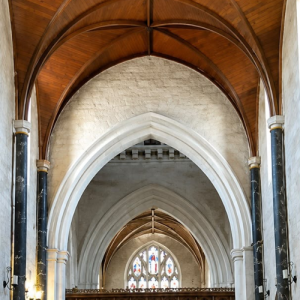
Known for its beautiful Gothic Revival architecture, peaceful surroundings and elegant stained-glass features, St. Mary’s Cathedral has remained a spiritual landmark for generations. It has witnessed the growth of Kuala Lumpur from a colonial settlement into a modern metropolitan city.
The cathedral continues to serve as a place of prayer, fellowship and Christian service, preserving a rich legacy of Anglican faith and heritage in the heart of Malaysia.


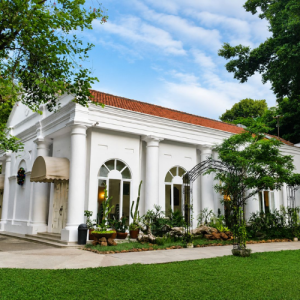
Tracing its origins to 1819, All Saints Anglican Church in Jakarta is one of Indonesia’s oldest surviving English-speaking Christian institutions. Established during the early missionary period in Batavia, the church began as a mission station founded by the London Missionary Society.
In 1822, Rev. Walter Henry Medhurst established a small bamboo church on the site, which later gave way to the present Georgian-style church building, opened in 1831. The church stands as a remarkable testimony to the growth of Anglican worship and missionary heritage in Southeast Asia.
For nearly two centuries, All Saints Anglican Church has remained a place of faith, fellowship and service, preserving a rich legacy of Christian tradition in the historic city of Jakarta.


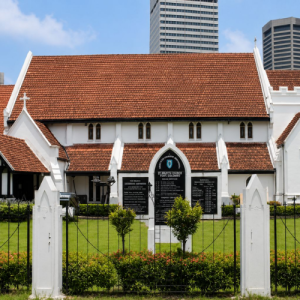
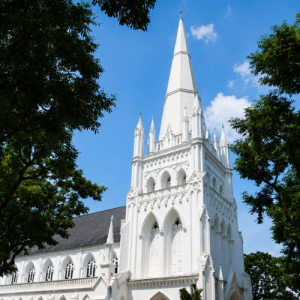
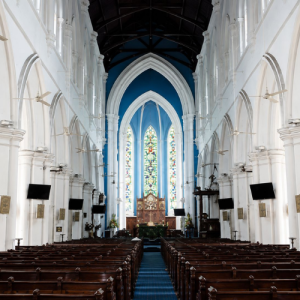
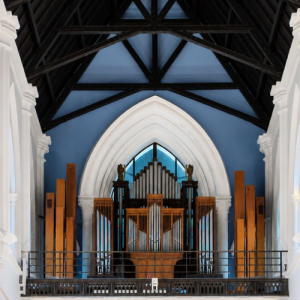
Consecrated in 1862, St. Andrew’s Church is Singapore’s oldest Anglican place of worship and one of the country’s most treasured heritage landmarks. Built in the magnificent Neo-Gothic style, the church reflects the enduring presence and growth of Anglican faith in Singapore.
The present structure was built after the earlier church on the same site was struck by lightning twice, in 1845 and again in 1849, eventually leading to its demolition and reconstruction. Much of the present church was built through the skilled labour of Indian convicts, adding another significant chapter to its history.
During the Japanese invasion in 1942, St. Andrew’s Church served as an emergency hospital, offering care and shelter during a difficult period. Today, it continues to stand as a symbol of faith, resilience and service, carrying forward a legacy of worship and compassion.


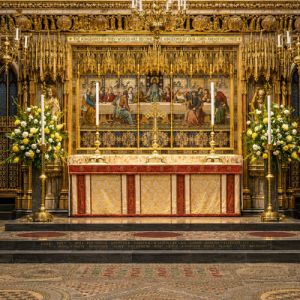
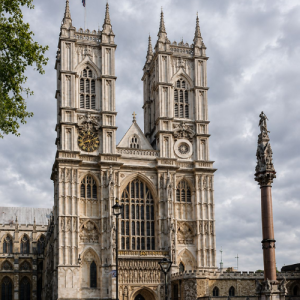
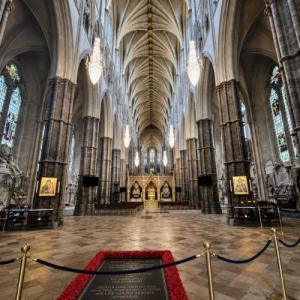
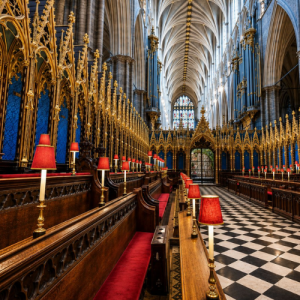
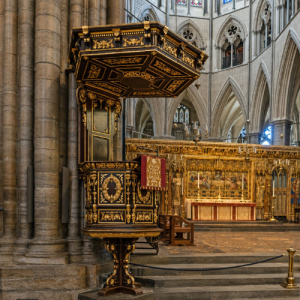
Founded in the 10th century, Westminster Abbey is one of the most significant Christian and historic landmarks in England. Known as the Coronation Church of England, it has been the sacred setting for the coronation of English and British monarchs since 1066.
With more than a thousand years of history, the Abbey stands as a remarkable symbol of faith, tradition and national heritage. Its magnificent Gothic architecture, historic chapels and memorials reflect centuries of Christian devotion and cultural legacy.
Westminster Abbey remains a living church and a centre of Anglican worship, continuing its mission of prayer, service and remembrance while preserving one of Britain’s greatest monuments of Anglican Christian heritage.


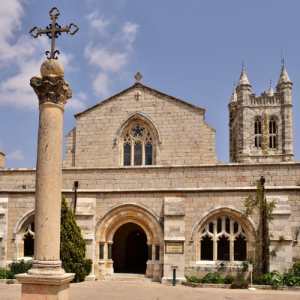
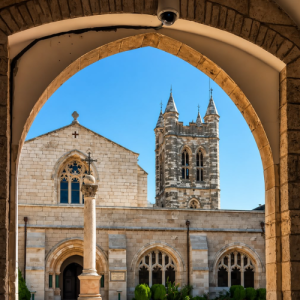
St. George’s Cathedral, Jerusalem is the Anglican cathedral of the Episcopal Diocese of Jerusalem and one of the most significant Anglican foundations in the Holy Land.
Established: The cathedral was consecrated in 1899 and serves as the mother church of the Anglican presence in Jerusalem.
It is a significant Anglican witness in Jerusalem.
St. George’s Cathedral represents an important dimension of Anglican Christianity in the Holy Land: historic Christian worship, sacramental life, biblical study and hospitality to pilgrims in the land where Jesus lived, taught, died and rose again.


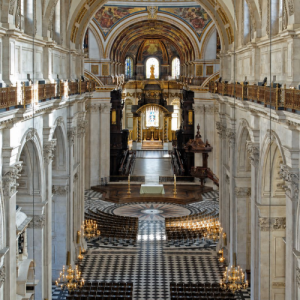
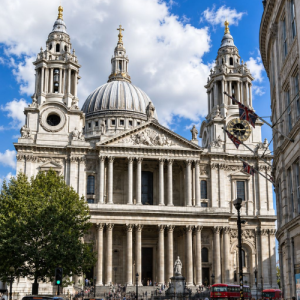
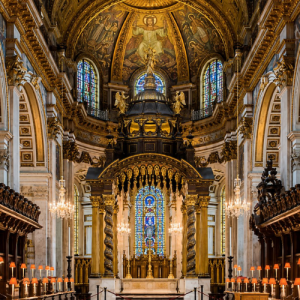
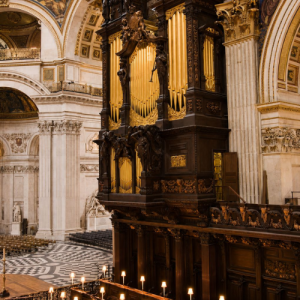
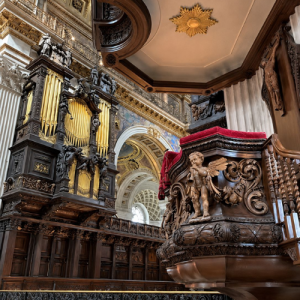
Consecrated in 1708, St. Paul’s Cathedral is one of the most iconic Anglican landmarks in the world and a masterpiece of Sir Christopher Wren’s architectural vision. Rising above the London skyline, it has served as a powerful symbol of faith, resilience and national heritage for over three centuries.
St. Paul’s became an important architectural and ecclesiastical model for Anglican churches throughout the British Empire. Its grand design and spiritual significance influenced the construction of churches and cathedrals across colonial cities, where Anglican worship, architecture and institutional life became visible expressions of the Church of England overseas.
Through Sir Christopher Wren’s remarkable work, St. Paul’s Cathedral helped establish a distinctive English Anglican architectural tradition that continues to inspire churches far beyond England.